

 English
 中文简体
中文简体Contenido
What Is Corduroy and How Do You Actually Wear It Well?
Corduroy is one of those fabrics that never fully disappears from fashion — it cycles back every few years, slightly reinterpreted, and suddenly everyone is reaching for their cord trousers again. But despite its recurring popularity, many people still feel uncertain about how to wear it without looking like they raided a 1970s thrift store. The truth is, corduroy fabrics is one of the most versatile and tactile fabrics available, and understanding it properly makes all the difference between an outfit that works and one that doesn't.
What Exactly Is Corduroy Fabric?
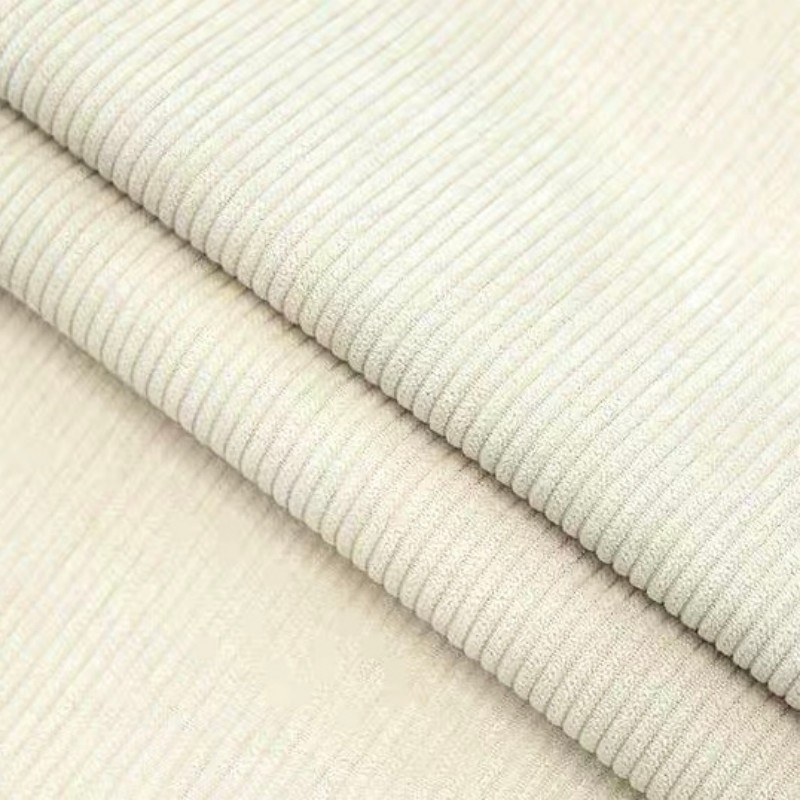
Corduroy fabrics is a woven fabric defined by its distinctive ridged texture, known as "wales." These wales are parallel lines or cords that run vertically along the fabric, created by weaving extra sets of fiber into a plain or twill base. The result is a fabric with a soft, pile-like surface that catches light and creates subtle depth in solid-color garments. Most corduroy is made from cotton, though blends with polyester or spandex are common in modern clothing for added stretch and durability.
The number of wales per inch determines the weight and texture of the corduroy. This is one of the most practical things to understand before buying or styling corduroy clothing, because different wale counts suit different occasions and seasons.
| Wale Type | Wales per Inch | Best Used For |
| Wide Wale | 2–6 | Outerwear, casual trousers, statement pieces |
| Standard Wale | 8–10 | Everyday trousers, blazers, skirts |
| Fine/Pinwale | 16–21 | Shirts, dresses, smart-casual looks |
The Best Seasons to Wear Corduroy
Corduroy is most associated with autumn and winter, and for good reason. The fabric's pile traps heat, making it naturally warmer than most woven cotton. Wide-wale corduroy in particular has enough body and insulation to be worn as a standalone layer in mild winter conditions. Earth tones — burnt orange, forest green, rust brown, and mustard — align naturally with the autumn colour palette and reinforce the seasonal feel of the fabric.
That said, fine-wale and lightweight corduroy can comfortably extend into spring, especially in lighter colours like dusty pink, pale blue, or cream. The key is paying attention to fabric weight. A lightweight pinwale corduroy shirt, for example, works perfectly as a transitional layer when the temperature sits between cool and mild. Avoid heavy corduroy in summer entirely — it will feel stifling and look seasonally out of place.
How to Wear Corduroy Trousers
Corduroy trousers are the most accessible entry point into the fabric. They function similarly to chinos in terms of versatility — smart enough for a business casual environment when tailored properly, relaxed enough for weekends when styled loosely. The most flattering cuts tend to be straight-leg or slim-straight, which let the fabric's texture show without adding bulk.
For a Casual Look
Pair standard-wale corduroy trousers in a warm earth tone with a chunky knit sweater or a relaxed Oxford shirt. White or cream tops work especially well against darker corduroy because the contrast is clean without being stark. Finish with clean sneakers or leather loafers depending on how polished you want the overall look.
For a Smart-Casual Look
Opt for finer-wale corduroy in navy, olive, or charcoal. Pair with a fitted turtleneck or a simple button-down shirt tucked in at the front. Add a structured blazer in a complementary tone — a camel or dark brown blazer over green corduroy, for example, reads as intentional and considered. Leather Chelsea boots complete the look without over-dressing it.
Styling Corduroy Jackets and Blazers
A corduroy blazer or jacket is arguably the most versatile corduroy piece you can own. It carries the warmth and texture of the fabric while functioning as a layering piece that works across a wide range of contexts. Wide-wale corduroy jackets lean more casual and workwear-adjacent, while fine-wale versions in structured cuts can function as genuine blazer substitutes in smart-casual settings.
The classic approach is to wear a corduroy jacket over a simple crewneck or T-shirt with denim — a combination that's stood the test of time for good reason. For something more polished, try a corduroy blazer over a plain white shirt and wool trousers in a complementary dark tone. Avoid matching the jacket to corduroy trousers in the same colour and wale count unless you're intentionally going for a suit effect, in which case a co-ord set bought as a pair is the cleaner option.
Corduroy for Women: Skirts, Dresses, and More
Corduroy has become a staple in women's fashion largely because of its texture and the way it holds shape. A-line mini skirts in wide-wale corduroy pair naturally with chunky boots and tights for a retro-inflected autumn look. Midi and maxi skirts in finer-wale cord offer a softer silhouette and work well with fitted knitwear or longline coats.
Corduroy shirt dresses have surged in popularity as a transitional piece — worn alone in mild weather, belted to emphasise the waist, or layered over a long-sleeve top in cooler conditions. Dungarees and pinafores in corduroy also remain popular, particularly in pinwale textures that feel lightweight and slightly more refined. The key principle with corduroy dresses and skirts is to balance the fabric's weight and texture — avoid doubling up corduroy on top and bottom unless the proportions are clearly intentional.
Colour Pairing Rules for Corduroy
Corduroy's texture adds visual interest on its own, which means it pairs best with simpler, less-patterned pieces. Here are practical colour-pairing guidelines:
- Earth tones with neutrals: Rust, terracotta, and burnt sienna corduroy look best against white, cream, or oatmeal tops. The warmth of the corduroy carries the outfit.
- Dark corduroy with contrast tops: Deep navy, forest green, or burgundy corduroy creates a strong base — layer lighter tops or shirts over them for balance.
- Tonal dressing: Wearing different shades of the same colour family — a tan shirt with camel corduroy trousers, for example — is a reliable way to look put-together without over-thinking it.
- Avoid busy patterns: Corduroy's ribbed surface already adds texture. Pairing it with heavy plaid or large graphic prints creates visual noise. Stick to solid colours or subtle patterns like fine stripes.
How to Care for Corduroy Clothing
Proper care extends the life of corduroy significantly and keeps the wales looking sharp. The most important thing to know is that corduroy can crush and flatten with improper washing or storage. Always turn corduroy garments inside out before machine washing to protect the surface pile. Use a gentle cycle with cold water and avoid washing corduroy with rough fabrics like denim that can abrade the surface.
Air drying is strongly preferred over tumble drying — heat can shrink cotton corduroy and cause the wales to lose definition. If ironing is necessary, use a low heat setting and iron on the reverse side, or use a pressing cloth on the front. Hang corduroy trousers and jackets rather than folding them, especially for storage, to prevent creasing that can be difficult to remove from the ridged surface.
Common Corduroy Styling Mistakes to Avoid
Even well-chosen corduroy pieces can fall flat if certain pitfalls aren't avoided. The most common mistake is wearing corduroy that's too heavy for the occasion — a thick wide-wale jacket over a formal shirt reads as mismatched in effort. Similarly, wearing corduroy in the wrong season undercuts the impact of the fabric; part of its appeal is its autumnal weight and feel, and forcing it into summer looks rarely works.
Another frequent issue is poor fit. Because corduroy has body and structure, garments that are too loose appear shapeless, while those that are too tight exaggerate the texture in unflattering ways. Aim for a fit that mirrors how you'd wear tailored chinos or a structured blazer — not too slim, not too relaxed. Finally, avoid wearing corduroy from head to toe in mismatched pieces. A full-corduroy look only works as a deliberate outfit, ideally in a matching set or with a clear tonal intention.